
Keynote Presentation
Home » Keynote Presentations
The Evolution of IBD Care: Where Are We, and How We Got Here
Friday, January 22, 2027

From Targets to Therapy: The Evolution of IBD Biological Pathways — Past, Present, and Future
D. Brent Polk, MD, AGAF
Chief, Division of Gastroenterology, Hepatology & Nutrition
Rady Children’s Health
Executive Vice Chair, Department of Pediatrics
Professor of Pediatrics
UC San Diego School of Medicine
San Diego, California
A distinguished investigator, clinician and educator, Dr. Polk has more than 30 years of experience as a pediatric physician-scientist focused on the care of patients with inflammatory bowel disease.
Through laboratory investigations informed by patient care challenges, he seeks to identify risks of disease and targets for prevention or treatment. His laboratory is focused on the regulation of growth and repair of the intestinal cell as it relates to development and disease, with a particular focus on signal transduction mechanisms in IBD.
From Response to Remission: The Clinical Evolution of IBD Monotherapy — And What Comes Next
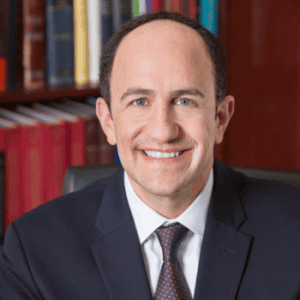
David T. Rubin, MD, AGAF
Professor of Medicine
Professor of Pathology
Chief, Section of Gastroenterology, Hepatology, and Nutrition, Inflammatory Bowel Disease Center
The University of Chicago
Chicago, Illinois
Dr. Rubin specializes in the treatment and assessment of inflammatory bowel diseases. His research is related to outcomes in inflammatory bowel diseases with particular interest in the prevention of cancer associated with these diseases and strategies to modify the disease course and control inflammation. He is involved in the design and execution of clinical trials for new therapies in inflammatory bowel diseases.
Recognized as one of the foremost authorities in the field of inflammatory bowel disease (IBD), Dr. Florian Rieder has devoted his career to understanding and combating fibrostenosis—the build-up of scar tissue that leads to strictures and intestinal blockages in Crohn’s disease. His pioneering research and leadership in international clinical consensus have shaped modern approaches to the diagnosis, management, and pursuit of therapies for this formidable complication. Dr. Rieder’s commitment to translating scientific discovery into meaningful therapies, coupled with his collaborative, multidisciplinary approach, positions him as an exceptional thought leader and catalyst for innovation in IBD research.
About Dr. Rieder
Dr. Florian Rieder is Vice Department Chair, Co-Section Head for IBD, and Director of the Global IBD program at the Digestive Disease Institute at the Cleveland Clinic Foundation. He received his medical degree from Ludwig-Maximilians-University Medical School in Munich, Germany, followed by advanced training in both Germany and the United States, including research fellowships at Harvard Medical School and Cleveland Clinic.
A leading international expert on IBD, Dr. Rieder’s clinical and scientific focus centers on the pathogenesis, prediction, and therapy of intestinal strictures—particularly fibrostenosis—in Crohn’s disease and ulcerative colitis. He has published more than 250 articles and book chapters, and has held influential roles as lead author of European Crohn’s and Colitis Organisation (ECCO) clinical guidelines and consensus statements. Currently, Dr. Rieder directs an NIH-funded research program and is lead Principal Investigator for the international Stenosis Therapy and Anti-Fibrotic Research (STAR) Consortium, which aims to pave the way for anti-fibrotic therapies in stricturing Crohn’s disease. He is widely recognized for his leadership in collaborative research and education, advancing hope for patients worldwide. Dr. Rieder is a member of the International Organization for the Study of Inflammatory Bowel Diseases (IOIBD).
This presentation is supported by a generous grant from The Leona M. and Harry B. Helmsley Charitable Trust.